
Kids Crave Chaos and Calm in Equal Measure
Estimated Reading Time: 7 minutes
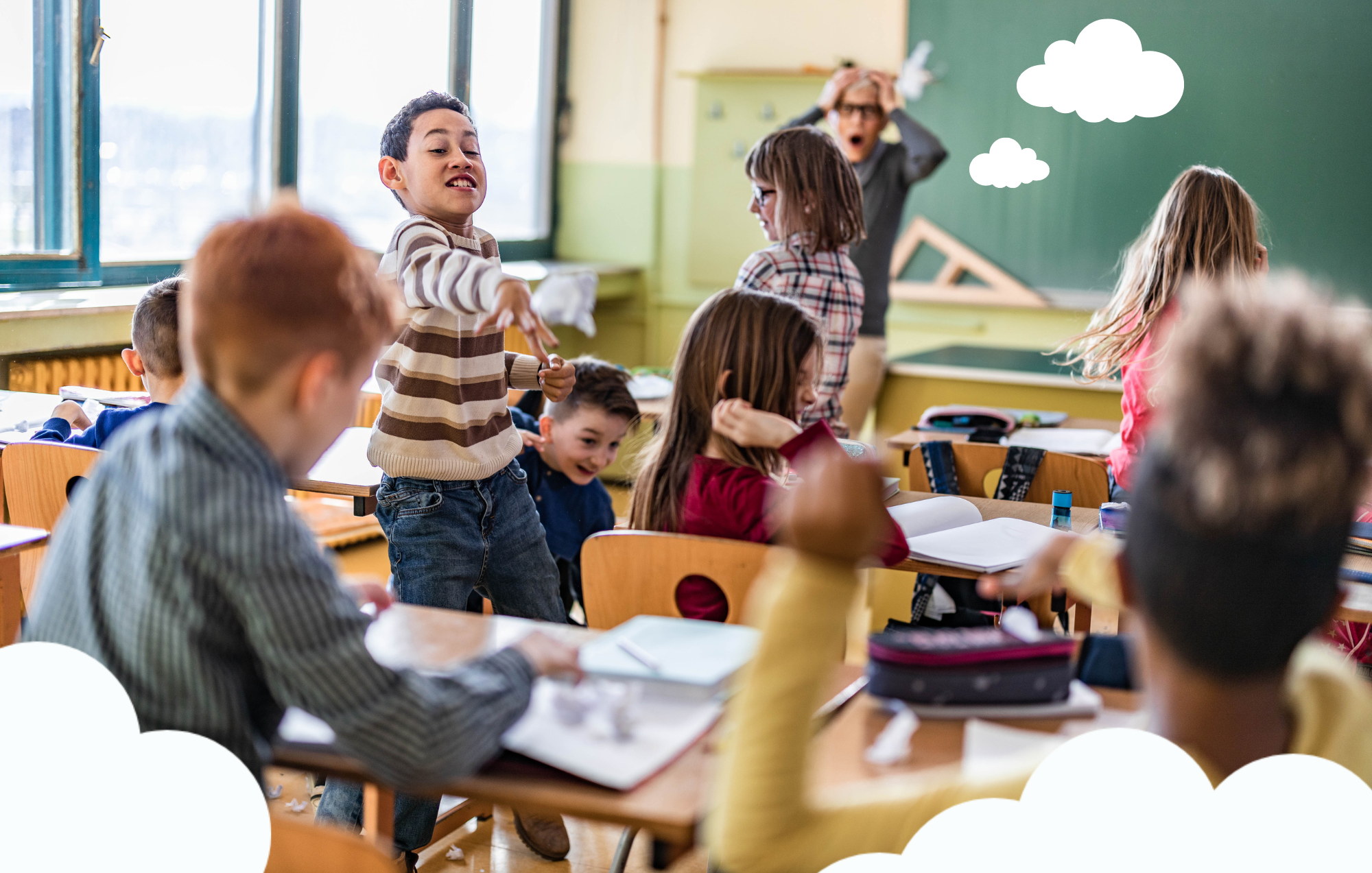
If you’ve ever spent time around kids, you know they thrive on chaos. They love running, laughing, shouting, and being as energetic as possible. But just as much as they crave that lively, fast-paced energy, they also crave its opposite: calm. The quiet, relaxed moments where they can regroup, reflect, and recharge.
The challenge? While chaos comes naturally to kids, calm often needs guidance—and that’s where educators and caregivers come in.
Chaos and Calm: The Balance Kids Need
Children’s brains and bodies are wired to seek stimulation. They explore, play, and learn by immersing themselves in loud, fast, and busy experiences. This chaotic energy is a key part of their development, allowing them to build social skills, resilience, and curiosity.
However, just like adults, kids need downtime to process their experiences. Quiet moments give their nervous systems a chance to recover and recharge, enabling better emotional regulation and focus. This balance between chaos and calm is essential for their mental and emotional well-being.
The catch? Kids rarely know how to create calm for themselves. They can find chaos on their own, but calm often needs to be modeled and supported by trusted adults.
Helping Kids Find Calm
For many children, the idea of slowing down feels foreign—maybe even a little uncomfortable at first. They might resist your attempts to introduce calm moments, squirming or complaining. But here’s the magic: once they settle into it, they almost always realize how much they needed it.
In classrooms and at home, guided mindfulness practices like Dreamwalkers’ Mindful Minutes are a fantastic way to introduce calm. These short meditations aren’t about punishment or isolation; they’re about creating a shared, nonjudgmental space where kids can relax together.
When kids experience calm in this way, they begin to associate it with positive feelings. They feel safe, supported, and connected—not singled out.
What Kids Say About Calm
We’ve heard it time and again from teachers who incorporate mindfulness into their classrooms: even the most rambunctious kids will tell you they enjoyed the quiet time.
In one recent classroom survey conducted after a guided meditation, students were asked how they felt post-meditation. The responses included:
“I didn’t know I needed that.”
“I feel different—like lighter.”
“It was fun to just sit and think for a bit.”
“I felt calmer than before, like my brain wasn’t spinning so fast.”
These aren’t just throwaway comments. They highlight the transformative power of calm moments. Even when kids resist at first, they’re often the first to advocate for more quiet time once they experience the benefits.
Why Calm is Hard to Find
In today’s fast-paced world, opportunities for calm are increasingly rare. Between screen time, academic pressures, and packed schedules, kids rarely get the chance to slow down.
Meditation and mindfulness practices fill this gap by providing structured, intentional moments of calm. When we guide kids through these practices, we’re helping them build skills they can carry into adulthood:
Self-awareness: Recognizing their feelings and needs.
Emotional regulation: Learning to manage big emotions without becoming overwhelmed.
Focus: Developing the ability to concentrate and tune out distractions.
These aren’t just classroom skills—they’re life skills.
How to Create Calm Without Making it Punitive
It’s crucial to ensure that calm moments are seen as a benefit, not a punishment. Here’s how to make calm accessible and enjoyable for kids:
Normalize It: Present calm time as a regular part of the day, not something that happens only when kids are “too wild.”
Join Them: Model calmness by participating in mindfulness activities alongside your students or children.
Make It Communal: Avoid isolating kids during calm moments. Create a shared experience where everyone participates together.
Focus on Positives: Frame calm time as a treat or a way to recharge, not a consequence.
The Science Behind Chaos and Calm
Research consistently shows the benefits of teaching kids to balance energy and relaxation. A study by Dr. Joe Dispenza and Dr. Peta Stapleton (2022) on school-based meditation programs found that even short daily meditations led to:
Enhanced emotional regulation.
Improved focus and self-control.
Decreased behavioural issues.
These findings align perfectly with the Dreamwalkers Meditations approach. By guiding students through short, effective meditations, you’re giving them the tools they need to balance chaos and calm—tools that will serve them for life.
Chaos and Calm: Partners in Balance
Kids don’t need to choose between chaos and calm—they need both. Chaos fuels their creativity and curiosity, while calm provides the grounding they need to process and grow. As educators and caregivers, our role is to help them find that balance.
By incorporating mindfulness practices like Dreamwalkers’ Mindful Minutes, you can help your students discover the beauty of calm. And trust us, they’ll thank you for it.
Let’s teach kids that calm isn’t the opposite of fun—it’s the partner that makes fun even more meaningful. Together, we can help them navigate the ebbs and flows of life with confidence, resilience, and joy.